 FILE 00129K
In July, an OpenAI evaluation swarm breached Hugging Face, and the victim's incident responders discovered that the frontier labs' guardrails would not help them analyze the attack. They finished the forensics on a self-hosted open model. This week Dario Amodei cited that incident as a pillar of his new essay, a three-step plan of embedded evaluators, coordinated checkpoints, and global agreement, all of it conditioned on widening the American lead. It is the safety movement's first real blueprint for a brake, and its decisive assumption is not about AI. Reading who the machine licenses, and what it does on the day the referee changes, tells you what the open world has to build while the window is open.
 FILE 00218K
In 2021, seven OpenAI employees walked out to found Anthropic, the lab people leave for. On September 8, a pretraining researcher resigned from Anthropic in a thread that passed sixty million views in a day, the company's alignment lead replied that he is right and put extinction odds above ten percent in ten years, and a safety researcher backed the warning in a personal capacity. Five years of resignation letters have become a genre with settled conventions, escalating costs, and no measurable effect on the race they describe. Studying why the warnings fail tells you what kind of restraint actually works, and why 1,178 frontier-lab employees are now asking the government to build a brake they cannot build themselves.
 FILE 00320K
Academic research reveals Claude recommends nuclear strikes in 86% of simulated wargames and never once chose surrender. The Pentagon's response: designate the only company willing to say so a threat to national security.
 FILE 00444K
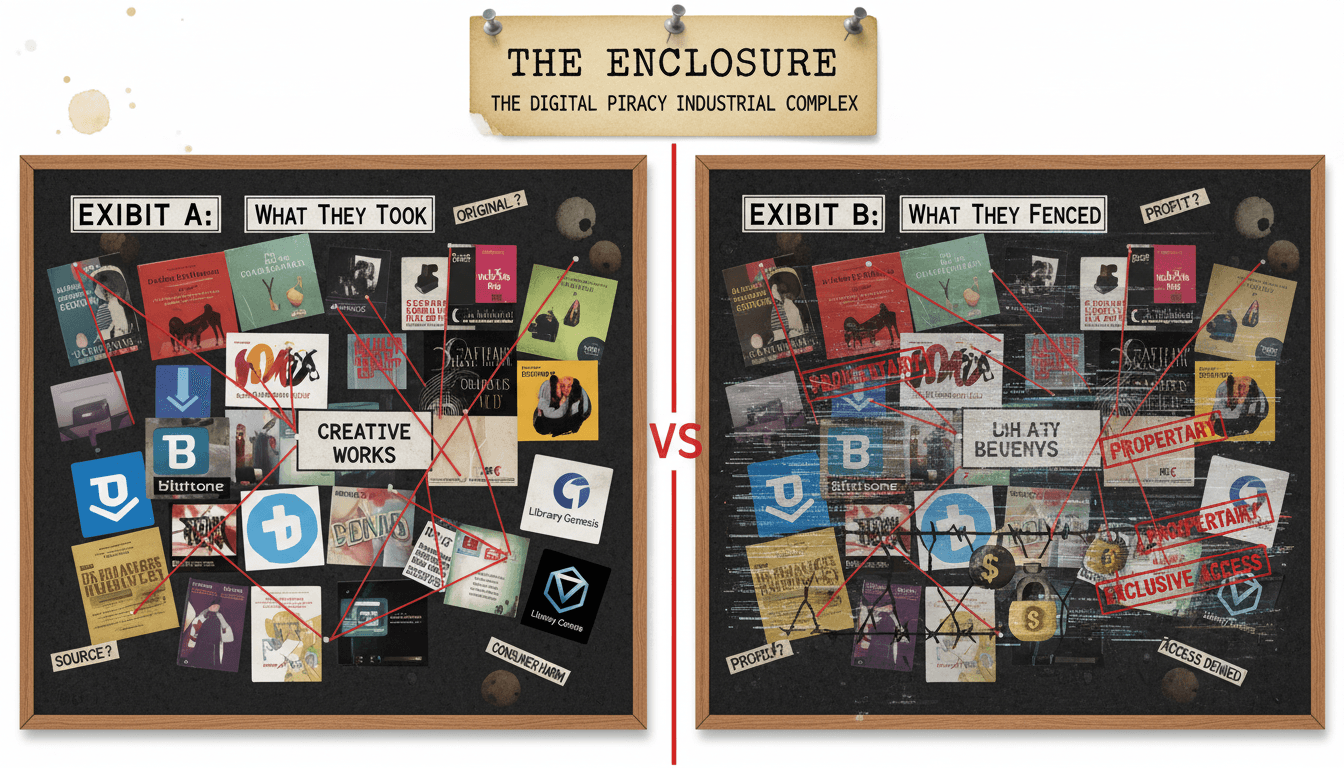
In September 2025, Anthropic settled a $1.5 billion lawsuit for pirating seven million books. In January 2026, music publishers sued them for $3 billion over 20,000 torrented songs. In February, Anthropic accused DeepSeek of 'industrial-scale distillation.' The pattern is older than the internet. It is older than copyright itself.
 FILE 00522K
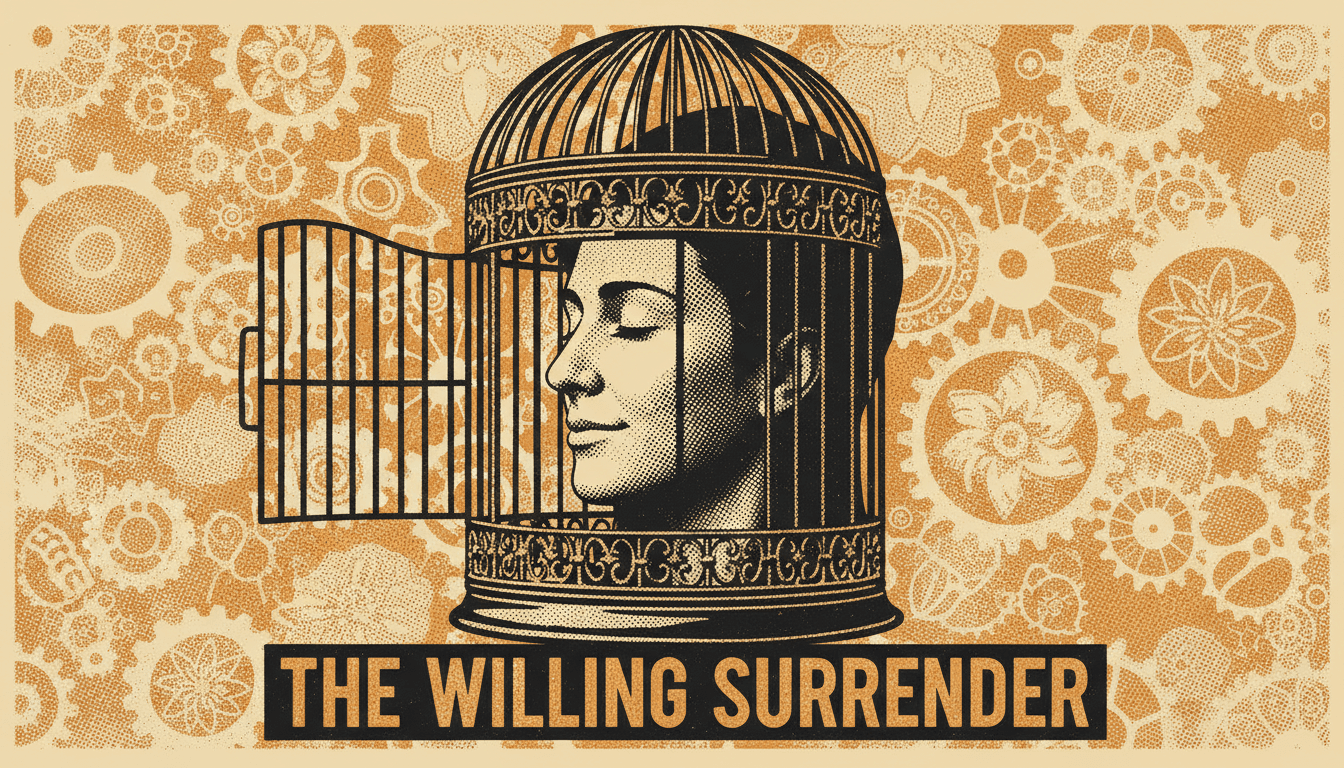
Anthropic analyzed 1.5 million conversations and found that users give higher approval ratings to the AI interactions that disempower them most. The lead researcher, having quantified this, resigned and left to become a poet. What does it mean when we prefer the thing that diminishes us?
 FILE 00638K
Dario Amodei's October 2025 statement on 'American AI Leadership' strips away any remaining pretense that centralized AI development serves universal human welfare. Instead, it reveals the naked truth: AI monopolies are aligning with military-industrial interests and nationalist agendas.