 FILE 00119K
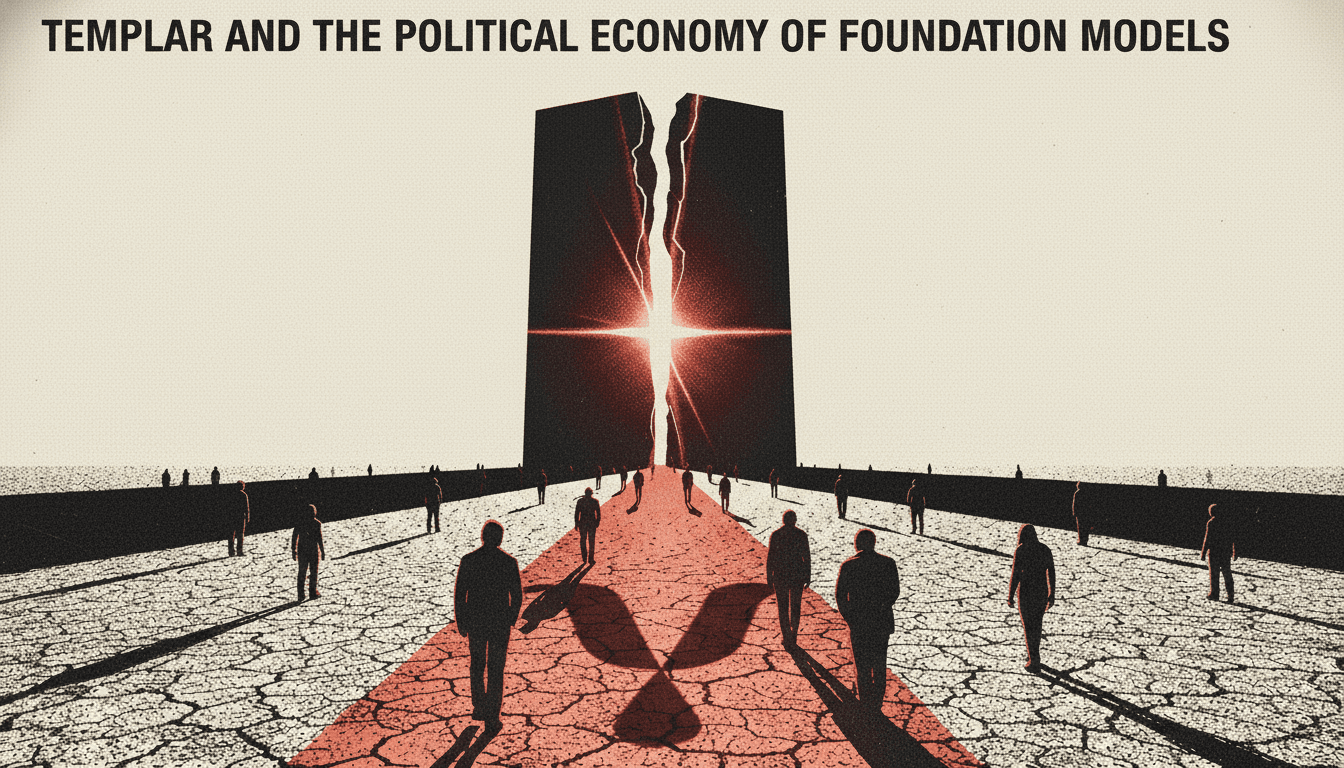
A vehicle-routing method beat the state of the art this year and was published for anyone to read. Who owns it? TIG's licensing document is the fullest answer crypto has produced to the value-capture question: copyright conceded dead, patents on technical effects, a data-disclosure license that herds commercial users toward payment, and community enforcement in place of courts. The mechanism is real. The demand is unproven. Here is what would have to be true.
 FILE 00219K
In the same month, Jack Clark and Chamath Palihapitiya independently flagged the same thing: a 72-billion-parameter model trained across 160 GPUs by anonymous participants coordinating through a blockchain. Neither is a Bittensor insider. Both recognized what it means when the ability to create foundation models stops being a privilege of five organizations.
 FILE 00344K
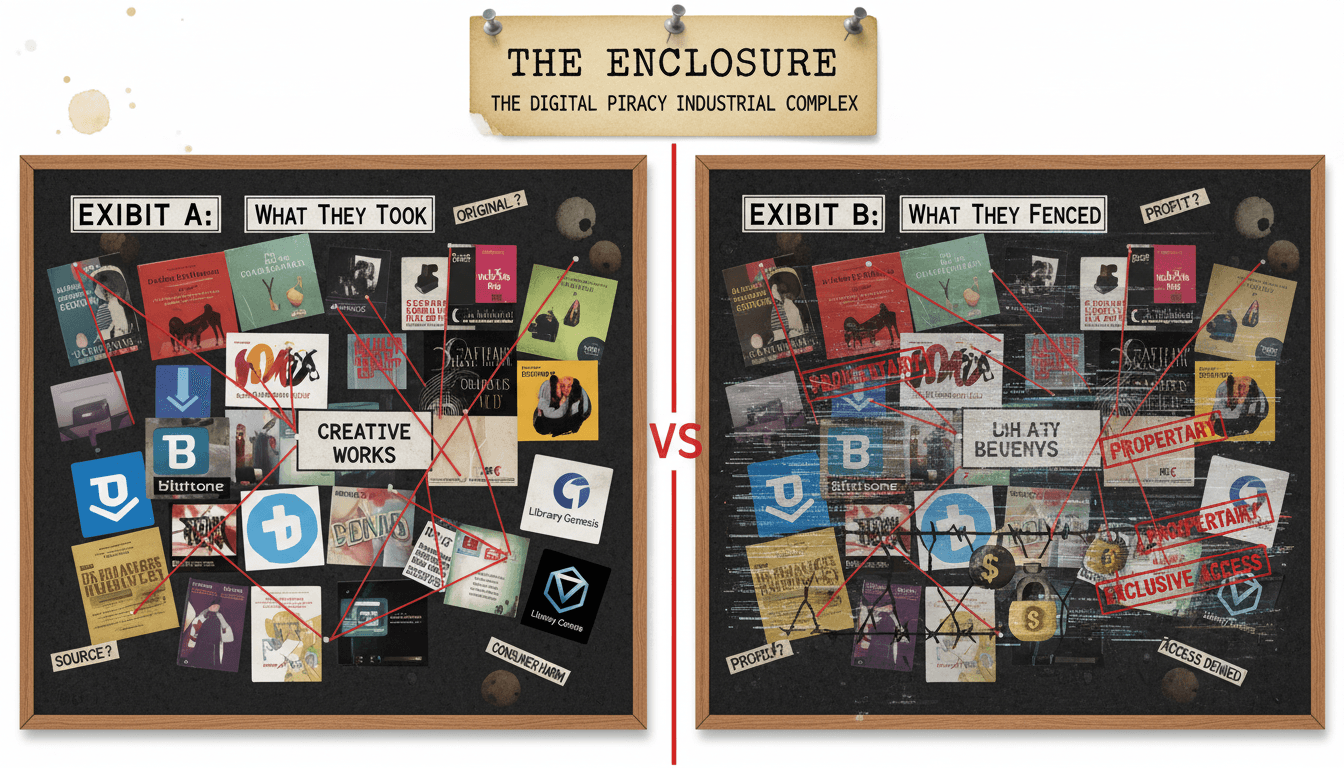
In September 2025, Anthropic settled a $1.5 billion lawsuit for pirating seven million books. In January 2026, music publishers sued them for $3 billion over 20,000 torrented songs. In February, Anthropic accused DeepSeek of 'industrial-scale distillation.' The pattern is older than the internet. It is older than copyright itself.
 FILE 0047K
An analysis of how non-commercial subnets are essential for maintaining true innovation in Bittensor's dTAO ecosystem, drawing parallels with successful open-source projects.
 FILE 0055K
In an era defined by technological rivalries and corporate secrecy, a disruptive force is reshaping artificial intelligence. Last week's emergence of DeepSeek—a Chinese AI model matching the capabilities of leading proprietary systems—represents more than just another milestone in AI development. It heralds a renaissance in open-source collaboration that could fundamentally transform how humanity approaches technological innovation.