 FILE 00119K
In the same month, Jack Clark and Chamath Palihapitiya independently flagged the same thing: a 72-billion-parameter model trained across 160 GPUs by anonymous participants coordinating through a blockchain. Neither is a Bittensor insider. Both recognized what it means when the ability to create foundation models stops being a privilege of five organizations.
 FILE 00217K
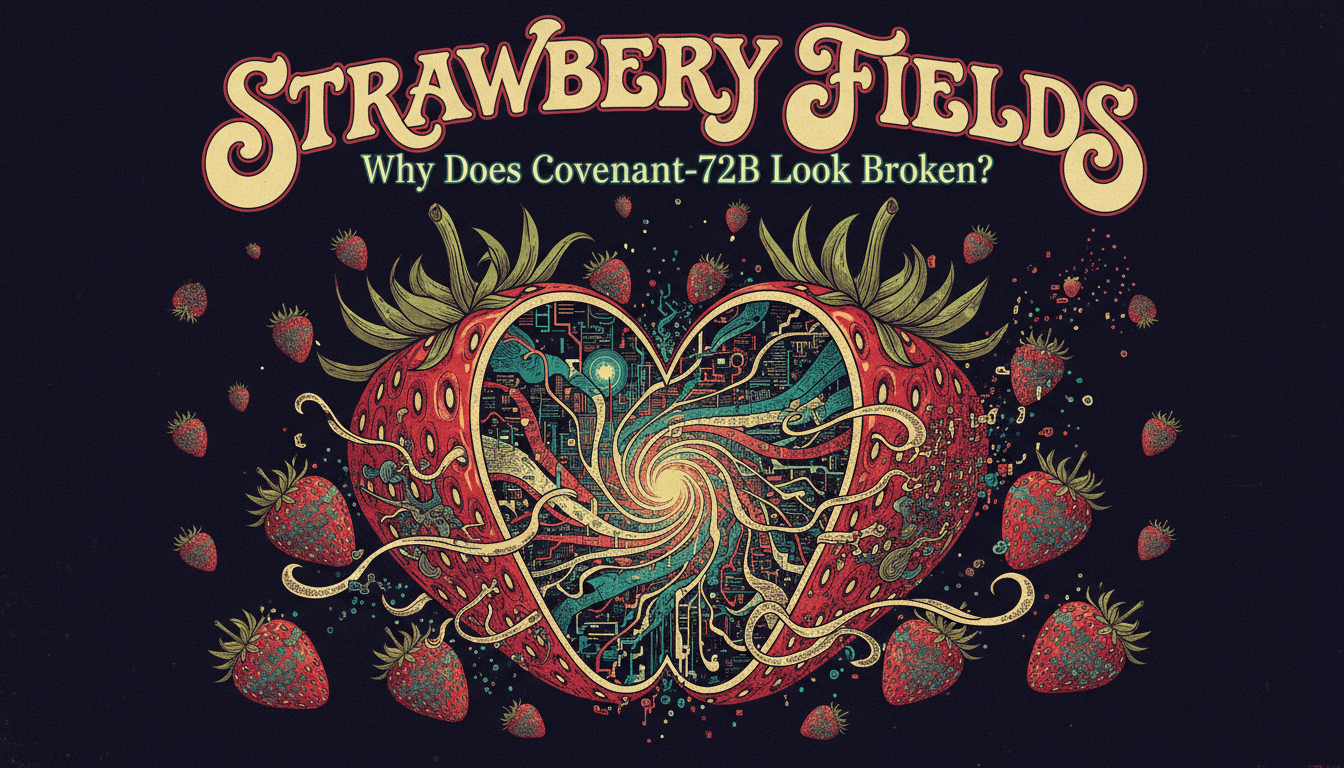
Someone on X pointed out that Covenant-72b can't count the R's in strawberry. They're right. But so were the people who laughed at GPT-4 for the same mistake two years before it started passing the bar exam. The interesting question was never whether the model fails. It's why, what that reveals about intelligence, and what happens next.
 FILE 00321K
Tony Hawk spent thirteen years trying to land a trick the world said was impossible. Within a decade, teenagers were doing it on YouTube. Steven Kotler calls this the 'seeing it done' effect. Covenant72B, the largest model ever trained on a fully decentralized network, is that same moment for AI. The impossible just became the starting line.
 FILE 00444K
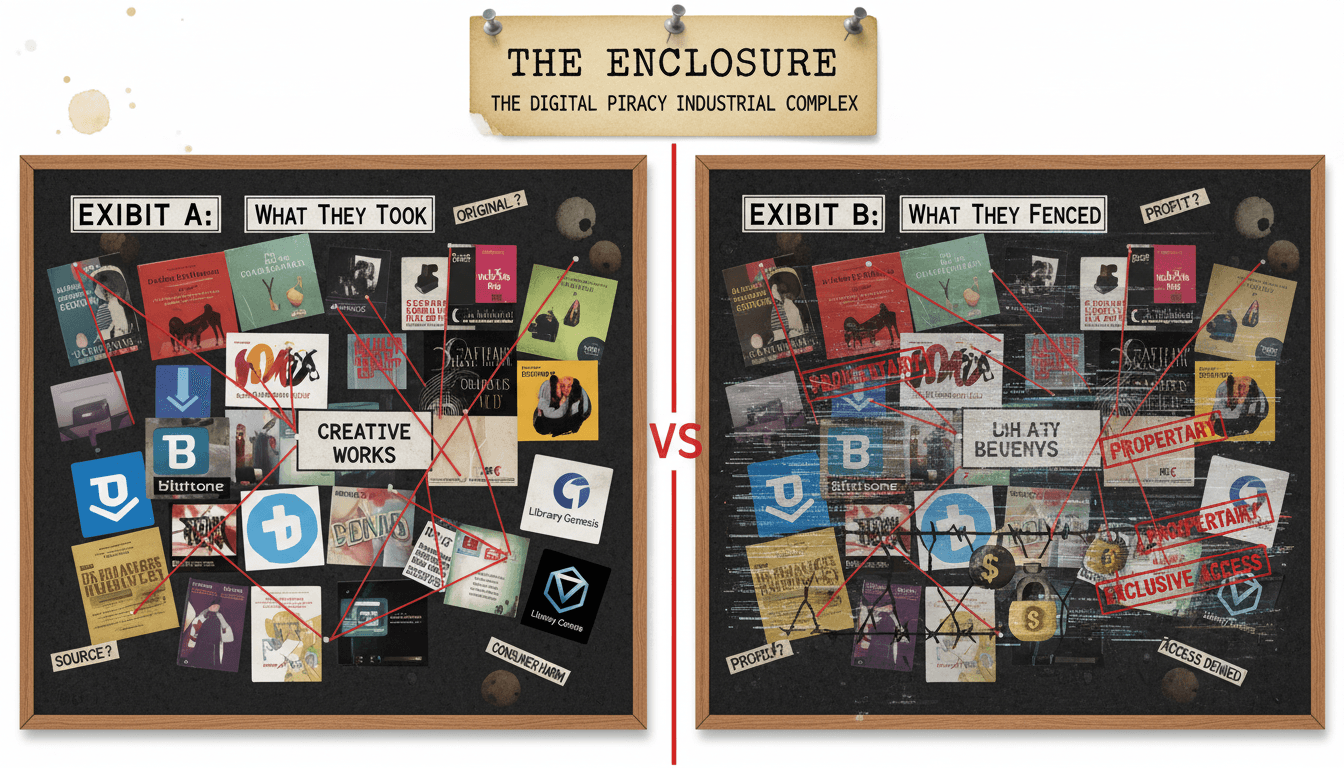
In September 2025, Anthropic settled a $1.5 billion lawsuit for pirating seven million books. In January 2026, music publishers sued them for $3 billion over 20,000 torrented songs. In February, Anthropic accused DeepSeek of 'industrial-scale distillation.' The pattern is older than the internet. It is older than copyright itself.
 FILE 00529K
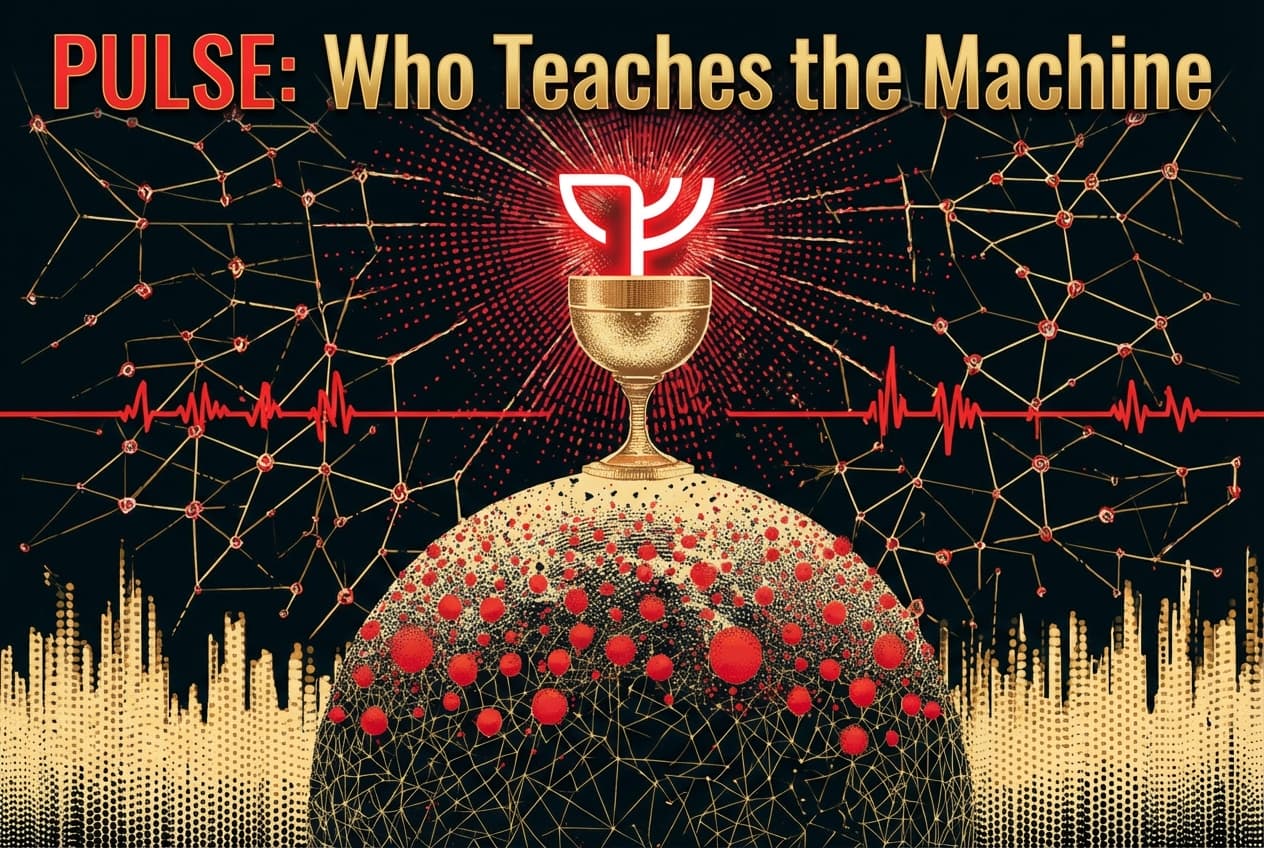
Pre-training gives AI knowledge. Post-training teaches it judgment: what to refuse, how to reason, what to value. This is the phase where alignment happens, and while decentralized efforts existed, weight sync over public internet made them impractically slow. This week, a research paper from Grail demonstrated that the bandwidth barrier keeping RL post-training centralized was 99% redundant, an artifact of how we were moving data rather than a physical constraint. The implications extend far beyond compression ratios.
 FILE 00634K
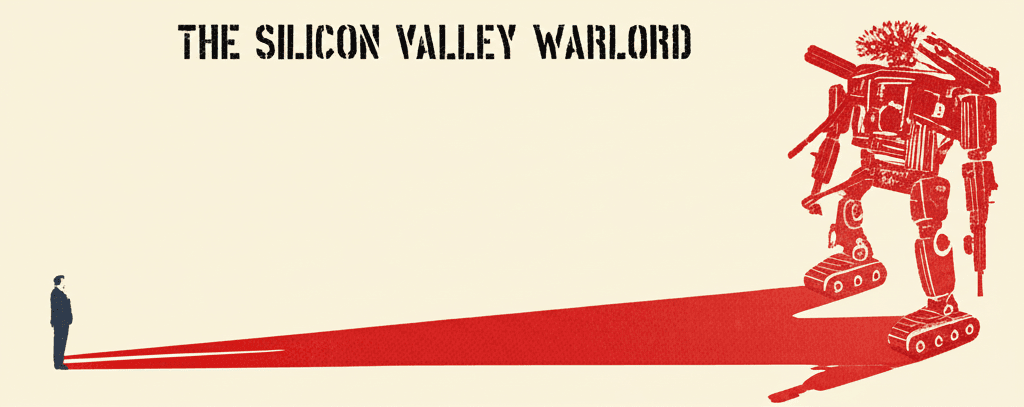
A former Uber executive now controls DARPA, the Pentagon's AI office, and $200 billion in defense lending authority. In a revealing podcast, Emil Michael laid out the timeline: 20-30% of defense spending on autonomous weapons within a decade, robots as 'the new front line,' and an open door for startups who want to build the machines that kill. What remains for those of us who refuse to accept this direction?
 FILE 00729K
For eighty years, the most powerful technologies have required concentration: co-located machines in fortress datacenters, tightly controlled by those who could afford the infrastructure. This week's research breakthrough from Templar marks something different, a technical path toward intelligence as genuinely distributed public infrastructure, where your home GPU can train frontier models alongside Google's datacenters.
 FILE 00838K
Dario Amodei's October 2025 statement on 'American AI Leadership' strips away any remaining pretense that centralized AI development serves universal human welfare. Instead, it reveals the naked truth: AI monopolies are aligning with military-industrial interests and nationalist agendas.
 FILE 00918K
Three years ago, I wouldn't have believed I'd be training for a half marathon while helping coordinate a decentralized AI protocol. But both journeys, the solo morning miles and the collective effort to democratize artificial intelligence, follow the same philosophy.
 FILE 01010K
Why a technical breakthrough in gradient compression could reshape who controls the future of artificial intelligence
 FILE 0117K
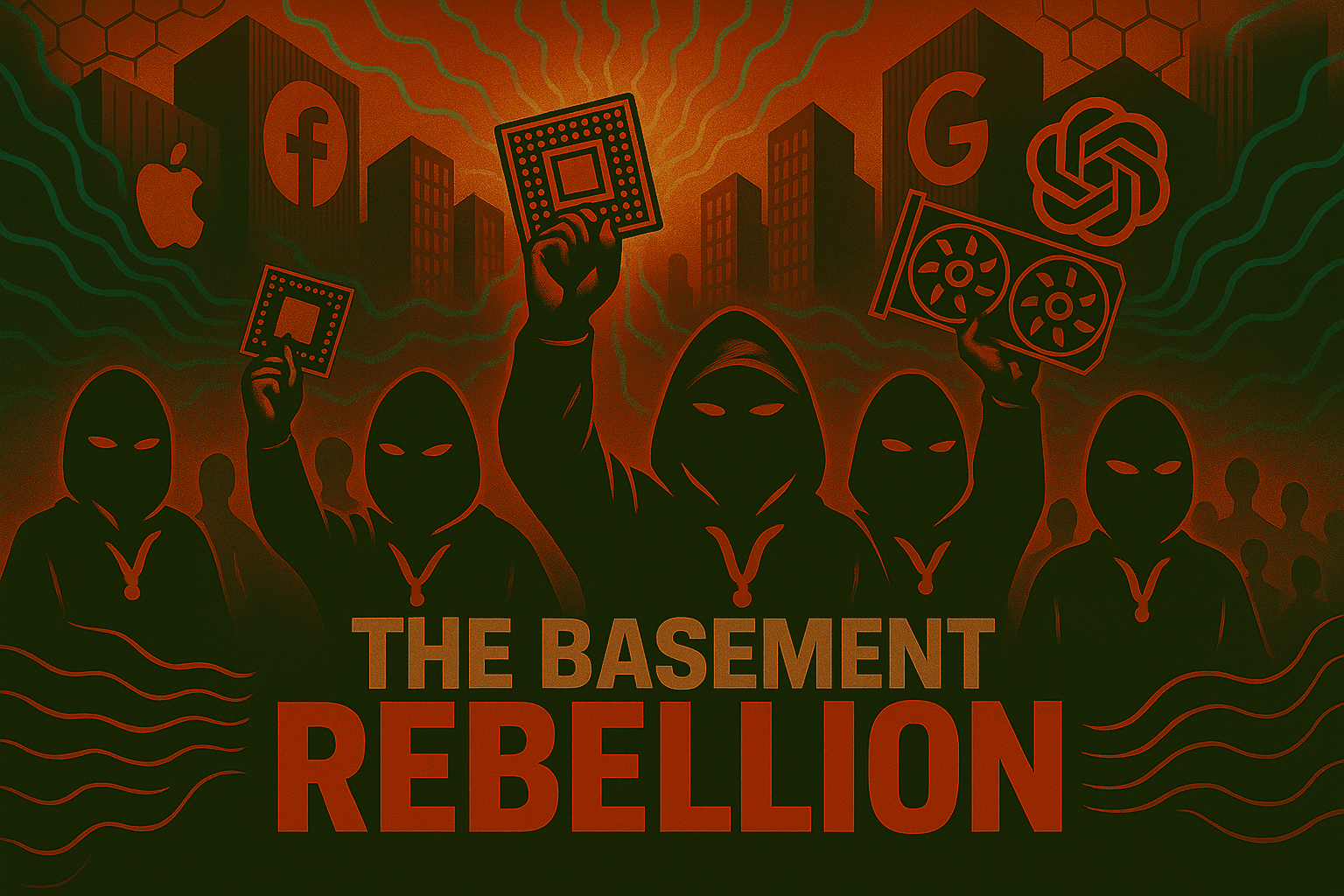
Meet the cryptopunk miners of Templar training AI models on their gaming rigs, challenging the assumption that only trillion-dollar companies can build artificial intelligence.
 FILE 0127K
An analysis of how non-commercial subnets are essential for maintaining true innovation in Bittensor's dTAO ecosystem, drawing parallels with successful open-source projects.
 FILE 0135K
In an era defined by technological rivalries and corporate secrecy, a disruptive force is reshaping artificial intelligence. Last week's emergence of DeepSeek—a Chinese AI model matching the capabilities of leading proprietary systems—represents more than just another milestone in AI development. It heralds a renaissance in open-source collaboration that could fundamentally transform how humanity approaches technological innovation.