 FILE 00127K
I did not lose faith in open AI, open science, or decentralized infrastructure. I lost faith in the assumption that every important coordination problem deserves an investable token. That was the economic reckoning. Then five mornings at Stratford added the political one: every registered claim has an owner, the owner takes sides in an emergency, and the strongest monetary-economics argument of the decade — Alden's — quietly assumes the emergency never comes. This is the essay the authoritarianism series kept promising: what a bearer asset is actually for.
 FILE 00212K
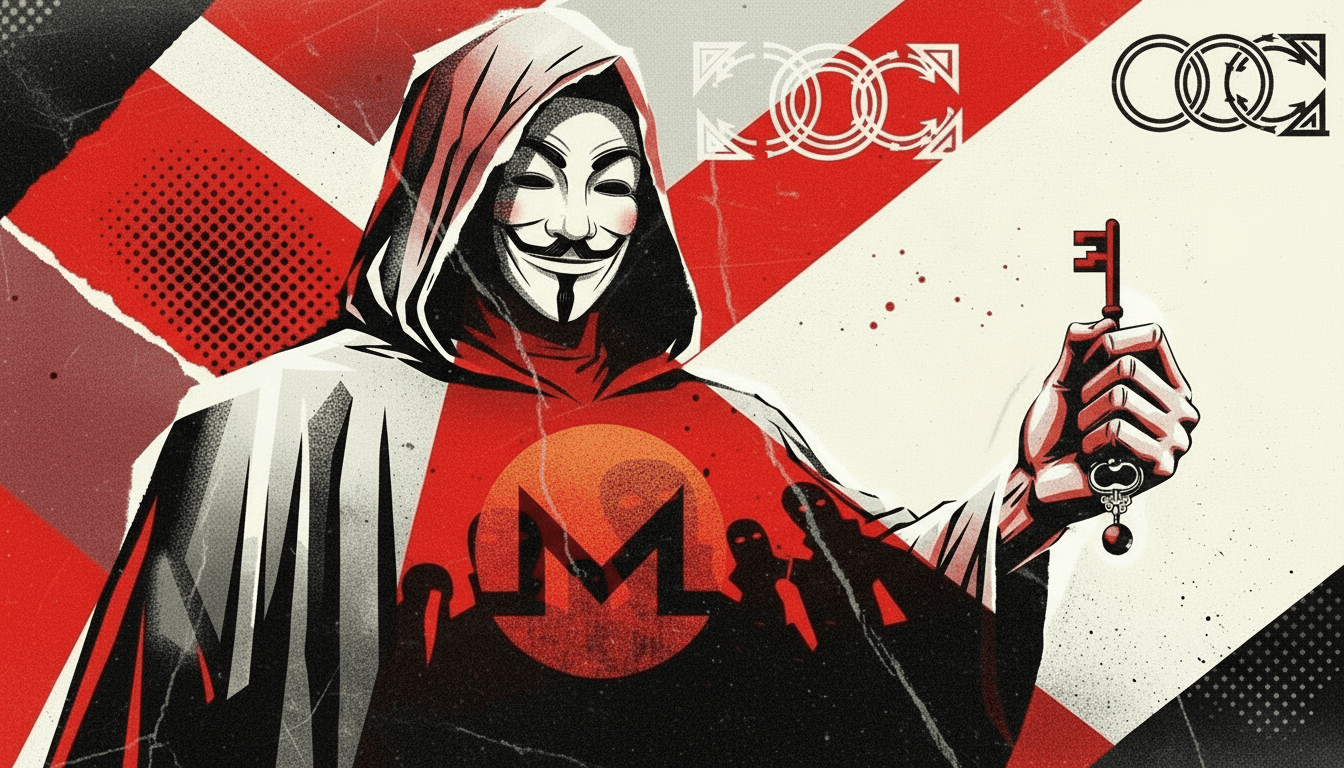
The most important ancestor in Monero's lineage is not a founder anyone can interview. He is a signature block, a timezone offset, an email address, and a protocol that survived the wreckage around its first implementation. Nicolas van Saberhagen may never resolve into a person. The uncertainty is where the story begins.
 FILE 00326K
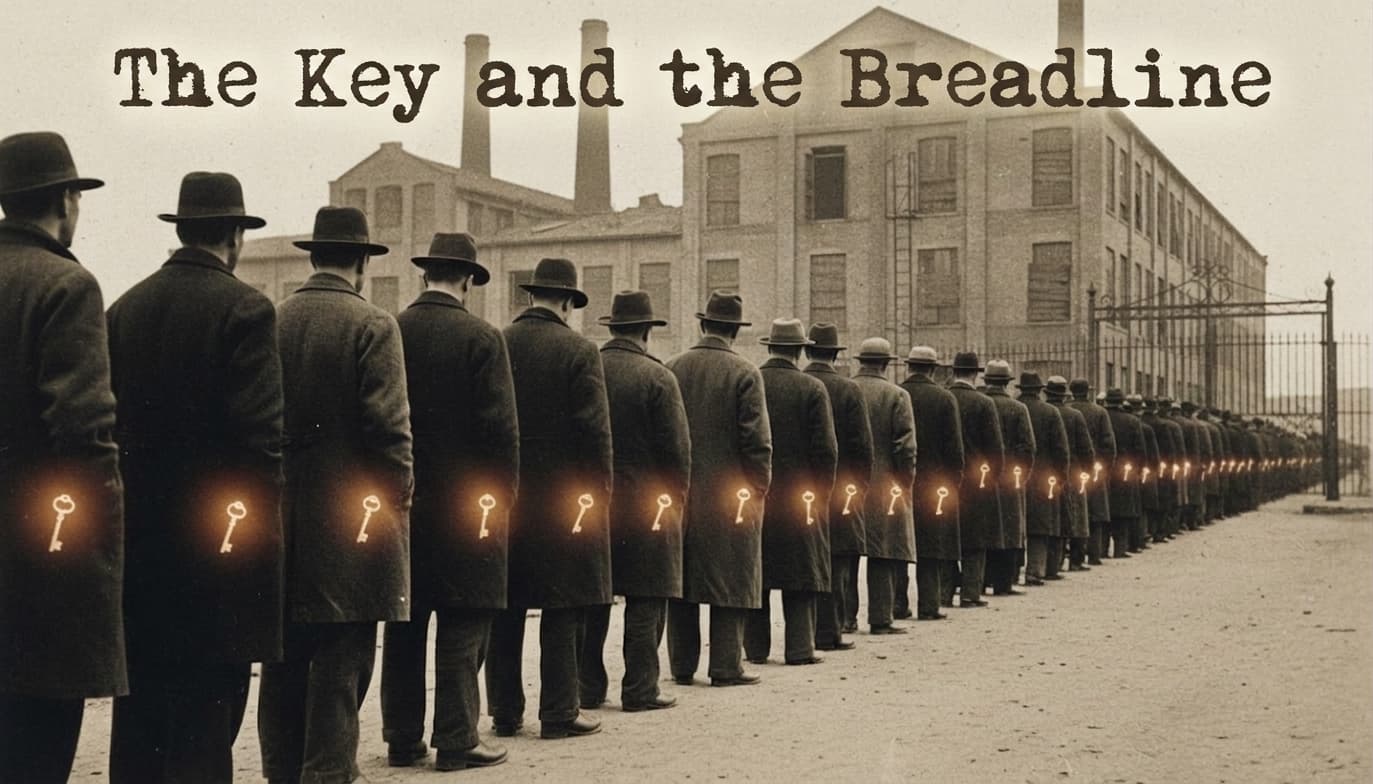
If Bitcoin had existed in 1929, it would have helped some people preserve wealth outside failing banks and hostile borders. It would not have saved most Americans from destitution, because most of the damage came through unemployment, foreclosure, and demand collapse. But if a Depression of that scale hit today, the rails are already in the ground, and a cypherpunk household could do things no 1933 family could imagine.
 FILE 00421K
On April 20, 2026, Arbitrum's Security Council froze 30,766 ETH linked to the KelpDAO exploit. The engineering was impressive. The precedent is another matter. Every 'decentralized' system keeps an emergency committee. The honest ones should admit it.
 FILE 00521K
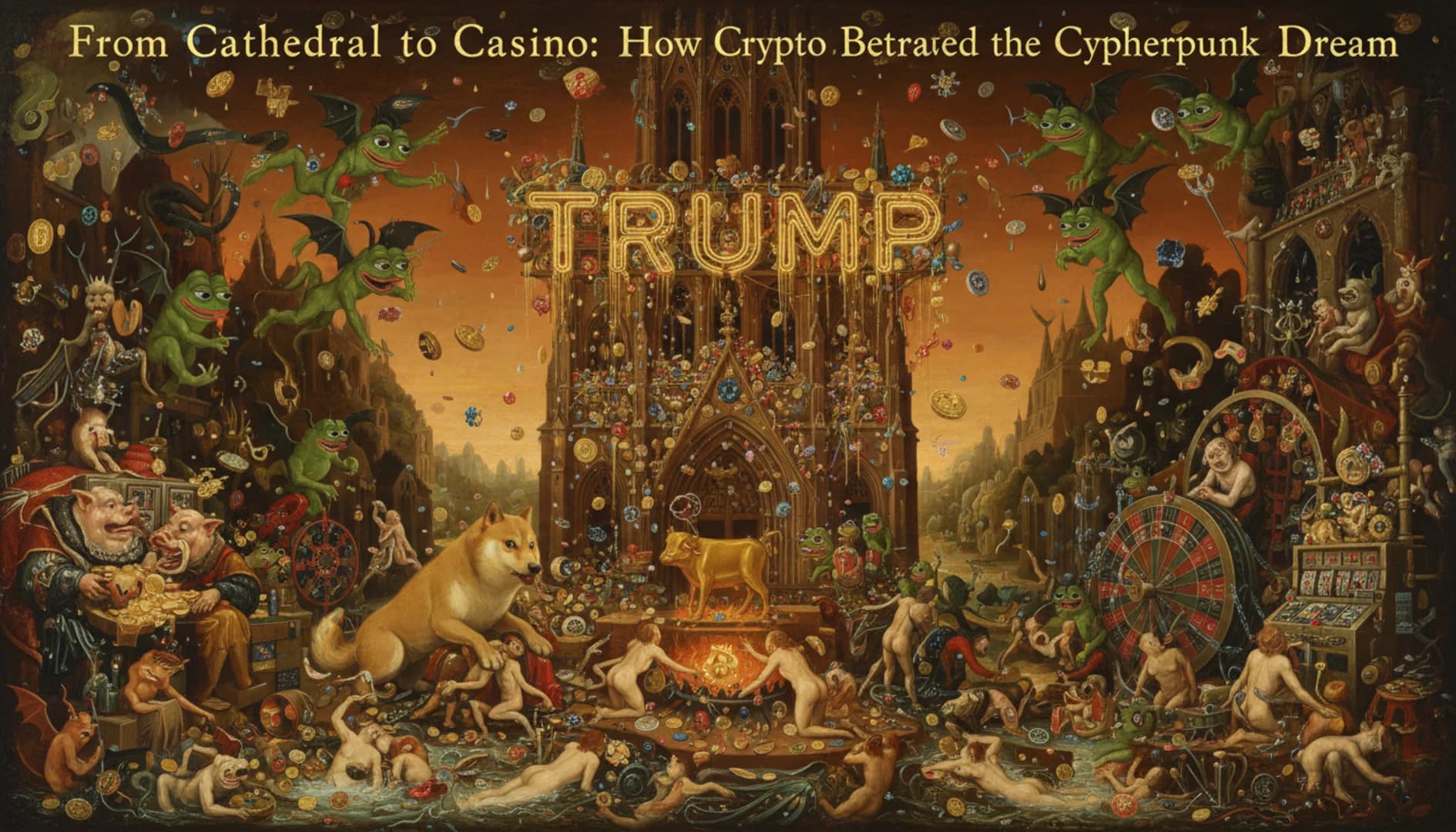
Crypto was born from a radical vision of privacy and liberation. Decades later, it's become synonymous with fraud, political corruption, and memecoins. A deep dive into the cypherpunk origins, the betrayal of those ideals, and what it would take to reclaim them.