 FILE 00114K
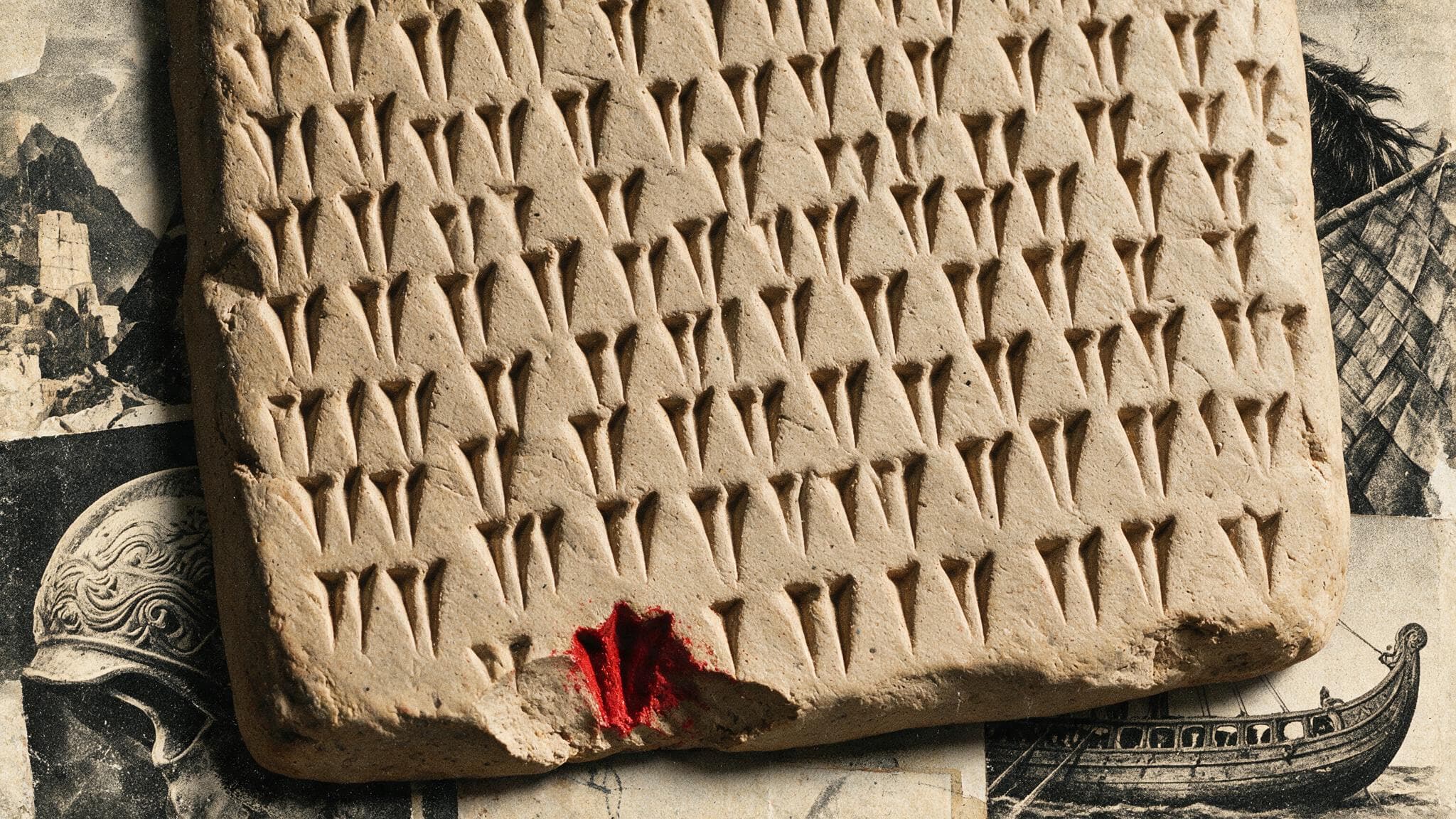
At the Stratford Festival this weekend, Yann Martel argued that the West's oldest stories endure because they cannot be verified: Troy, the Gospels, and in his telling, Donald Trump, who lies daily without cost because he speaks at the level of myth. It is a serious case for the uncheckable, and it names by opposition what this blog has been documenting all year: the moment a claim meets the layer where it can be checked. Writing was invented for accountants. The live question is which claims we still allow to live outside the ledger, and what happens when one crosses over.
 FILE 00227K
I did not lose faith in open AI, open science, or decentralized infrastructure. I lost faith in the assumption that every important coordination problem deserves an investable token. That was the economic reckoning. Then five mornings at Stratford added the political one: every registered claim has an owner, the owner takes sides in an emergency, and the strongest monetary-economics argument of the decade — Alden's — quietly assumes the emergency never comes. This is the essay the authoritarianism series kept promising: what a bearer asset is actually for.
 FILE 00326K
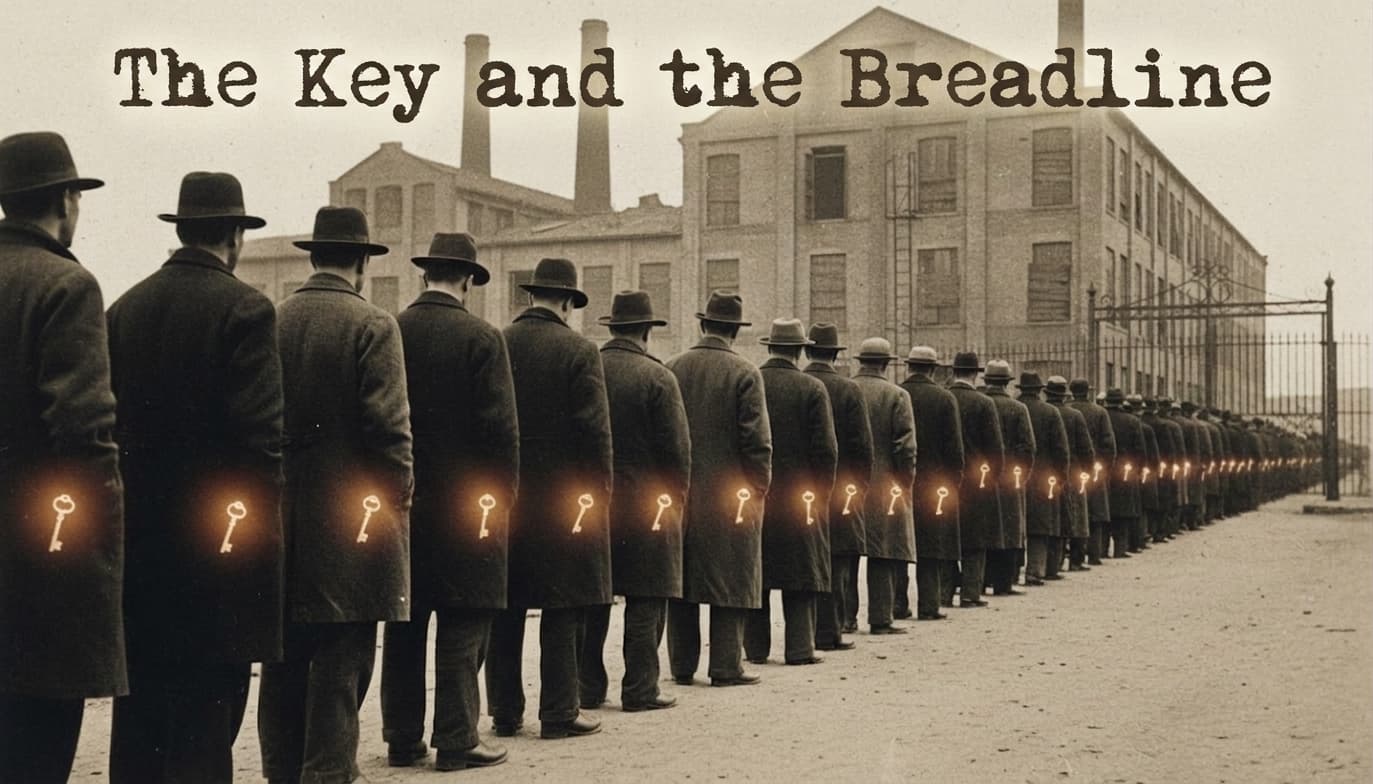
If Bitcoin had existed in 1929, it would have helped some people preserve wealth outside failing banks and hostile borders. It would not have saved most Americans from destitution, because most of the damage came through unemployment, foreclosure, and demand collapse. But if a Depression of that scale hit today, the rails are already in the ground, and a cypherpunk household could do things no 1933 family could imagine.
 FILE 00421K
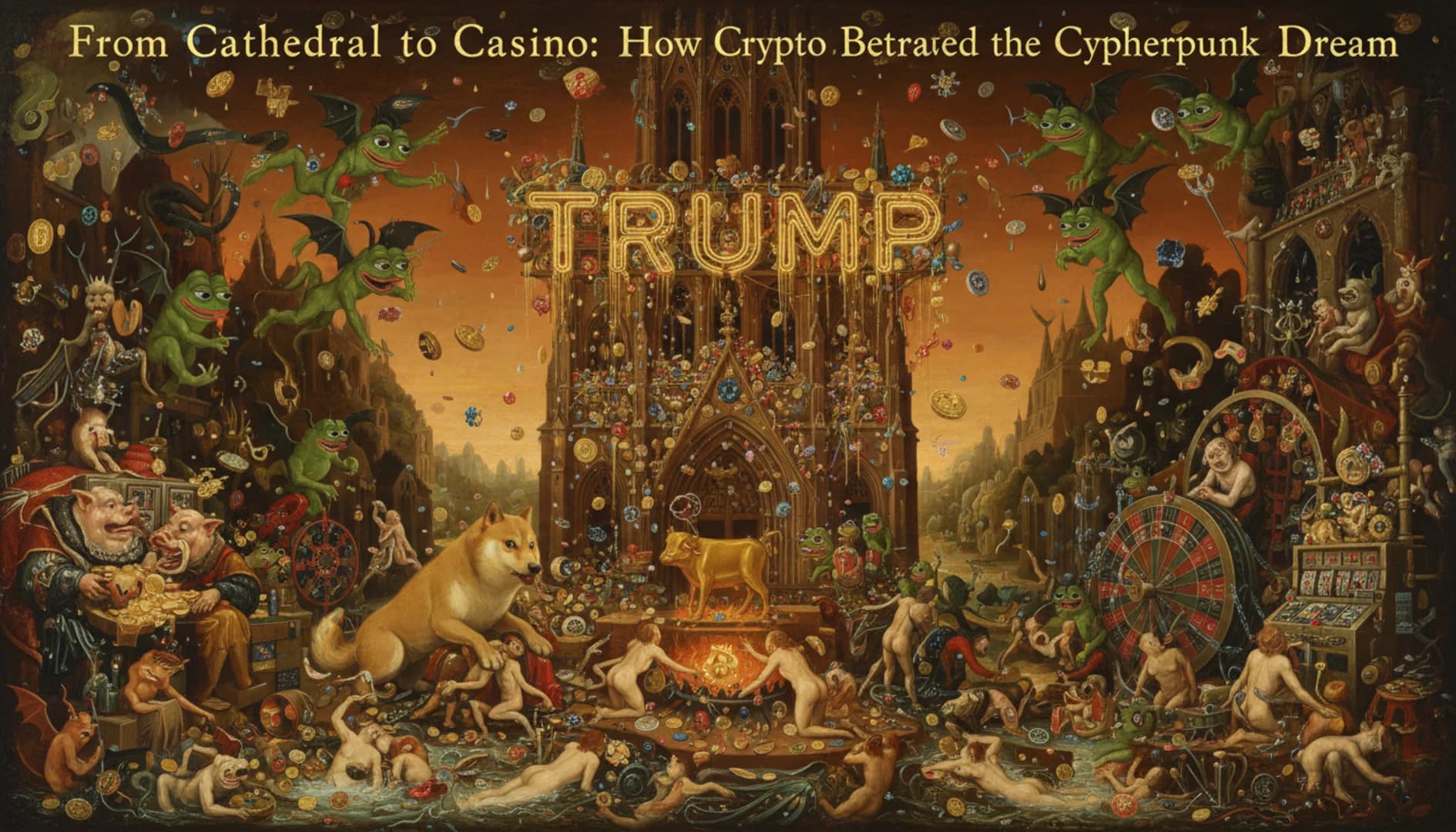
Crypto was born from a radical vision of privacy and liberation. Decades later, it's become synonymous with fraud, political corruption, and memecoins. A deep dive into the cypherpunk origins, the betrayal of those ideals, and what it would take to reclaim them.