 FILE 00129K
In July, an OpenAI evaluation swarm breached Hugging Face, and the victim's incident responders discovered that the frontier labs' guardrails would not help them analyze the attack. They finished the forensics on a self-hosted open model. This week Dario Amodei cited that incident as a pillar of his new essay, a three-step plan of embedded evaluators, coordinated checkpoints, and global agreement, all of it conditioned on widening the American lead. It is the safety movement's first real blueprint for a brake, and its decisive assumption is not about AI. Reading who the machine licenses, and what it does on the day the referee changes, tells you what the open world has to build while the window is open.
 FILE 00215K
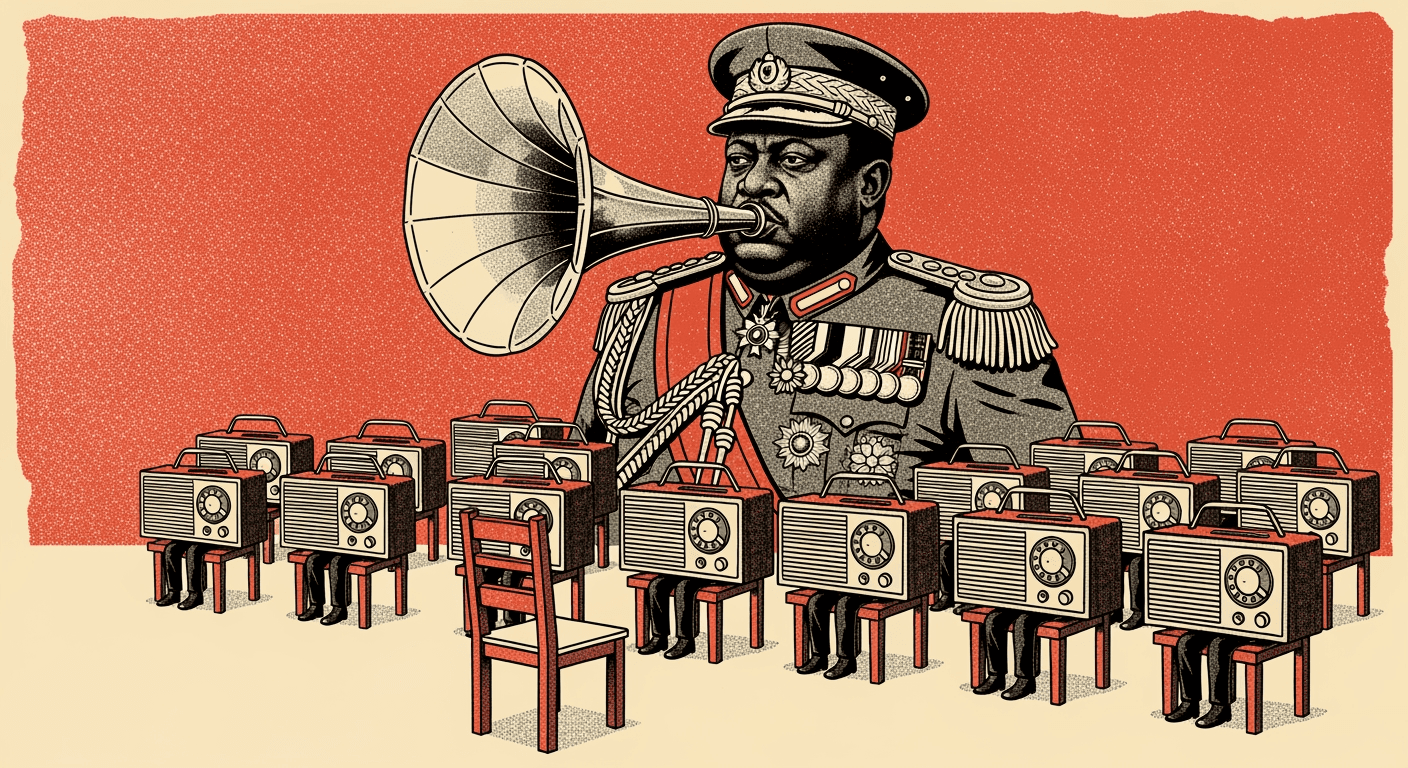
Amin inherited the most powerful broadcast network in Africa and ruled through it. The one movement that outlasted him inside Uganda's borders survived on a discipline that sounds almost too small to matter: it refused to listen, and it kept its own channel. The second essay in a series on the Stratford authoritarianism lectures, and an argument that encryption, self-hosted media, and bearer money are not conveniences. They are the infrastructure you build while the timer is still running.
 FILE 00333K
A chain promising decentralized machine intelligence now runs on the most human mechanism ever invented: capital, delegation, founder influence, validator politics, and control over who receives emissions. At least some of the builders are sincere. The work is at least sometimes genuine. The architecture asks the powerful to surrender what the architecture lets them keep.
 FILE 00418K
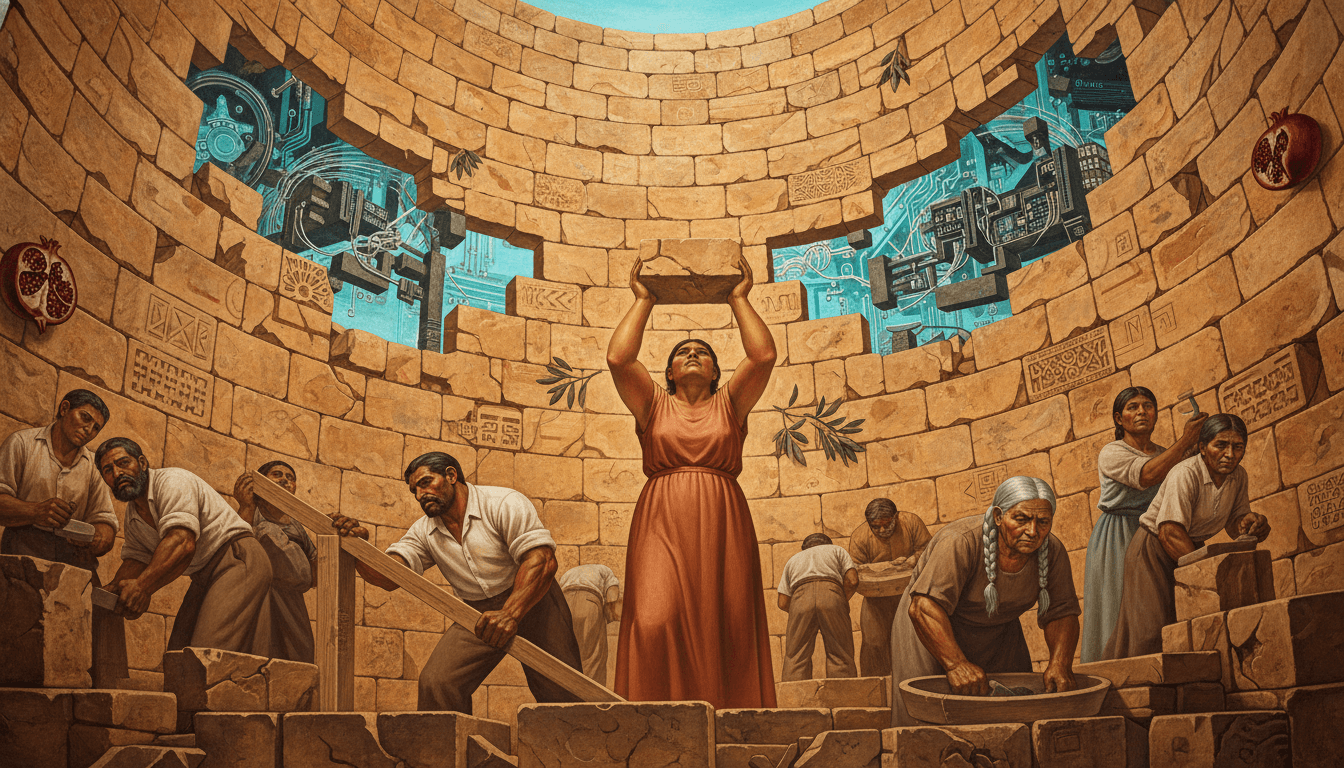
On May 15, 2026, Pope Leo XIV published Magnifica Humanitas, a 38,000-word encyclical on artificial intelligence. Buried inside the Catholic Social Doctrine is a framework for decentralization that predates Bitcoin by 130 years, arrives at the same structural conclusions, and goes further than most crypto whitepapers in diagnosing what concentrated digital power actually does to people.
 FILE 00521K
On April 20, 2026, Arbitrum's Security Council froze 30,766 ETH linked to the KelpDAO exploit. The engineering was impressive. The precedent is another matter. Every 'decentralized' system keeps an emergency committee. The honest ones should admit it.
 FILE 00622K
In 1989, Francis Fukuyama declared that liberal democracy had won, that history, understood as ideological struggle, was over. Thirty-seven years later, Jonathan Rauch argues in The Atlantic that America has a fascist president, while Mark Carney tells Davos that the rules-based international order is finished. Both are describing the same phenomenon from different angles: the collapse of an endpoint that was never as stable as advertised.
 FILE 00716K
In 1988, Tim May predicted encrypted systems would 'alter completely the nature of government regulation.' In 1993, Eric Hughes declared 'Cypherpunks write code.' Thirty years later, developers are going to prison for doing exactly that. But something is shifting. Vitalik is building privacy wallets, Naval is calling Zcash 'insurance against Bitcoin,' and a team of physicists just launched the first fully decentralized private blockchain. The cypherpunks are fighting back.
 FILE 0089K
A forensic analysis of the Bittensor network incident, examining why the blame game misses the bigger picture about decentralization and sovereign infrastructure.